
Balancing a full-time job with online classes can feel impossible some weeks. Between deadlines, meetings, and assignments, something often feels like it’s slipping. That’s why learning to manage full-time work and online college classes genuinely matters. This post walks you through practical strategies for handling both without burning out. Some feel simple, while others require a bit more intentional planning ahead. You’ll find something here no matter how packed your current schedule feels.
Two years ago, I started an online degree while working a demanding full-time job. My first semester felt like a constant, exhausting juggling act daily. Assignments piled up while work deadlines never seemed to slow down either. Eventually, I built systems that made both feel genuinely manageable together. That shift taught me something valuable about balancing competing responsibilities long-term. The right structure matters more than simply trying harder or sleeping less.
This list covers scheduling, boundaries, and a few mindset shifts too. Each strategy works on its own, but they’re stronger combined together. Grab a planner, and let’s get into the strategies below. By the end, you’ll have a clearer plan for balancing both responsibilities.
Why This Balance Feels So Hard in the First Place
Work rarely pauses just because a paper or exam is due soon. Meanwhile, online classes often lack the built-in structure traditional classrooms provide. Learning to manage full-time work and online college classes means creating that missing structure yourself. Without clear boundaries, one responsibility often quietly eats into the other. Understanding this reality helps you build systems instead of relying on willpower alone.
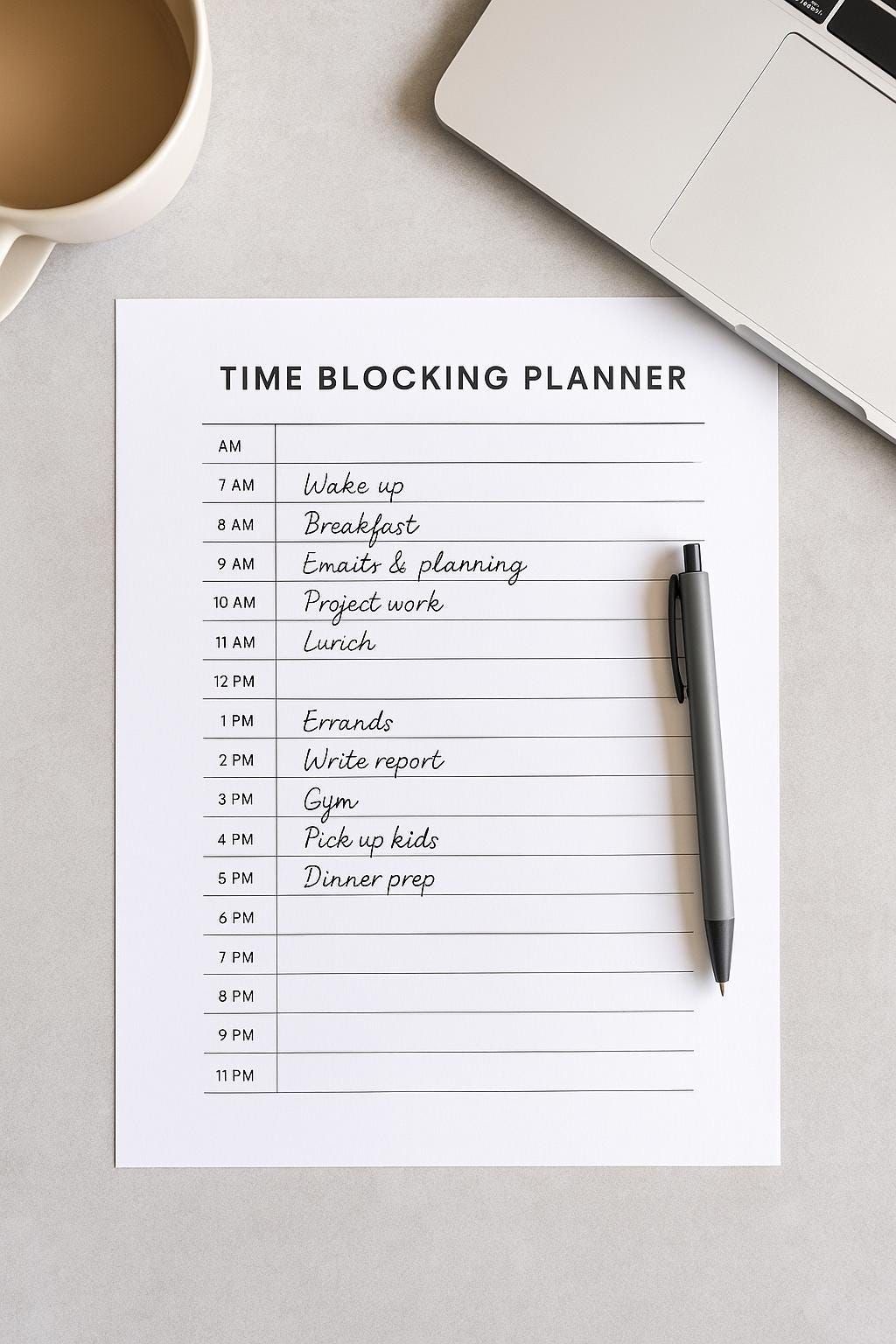
1. Time Block Your Entire Week in Advance
Sit down each Sunday and block out your upcoming week completely. Assign specific times for work, classes, assignments, and genuine rest. Meanwhile, treat these blocks like real appointments you can’t easily skip. This habit prevents schoolwork from constantly competing with work deadlines. A visual weekly plan removes the stress of figuring things out daily.
2. Identify Your Non-Negotiable Study Hours
Choose specific hours each week reserved only for coursework and studying. Meanwhile, protect this time as seriously as you would a work meeting. Even ninety minutes, done consistently, adds up significantly over a semester. This habit prevents school from becoming an afterthought squeezed into leftover time. Consistency matters more than finding large, uninterrupted blocks of free time.
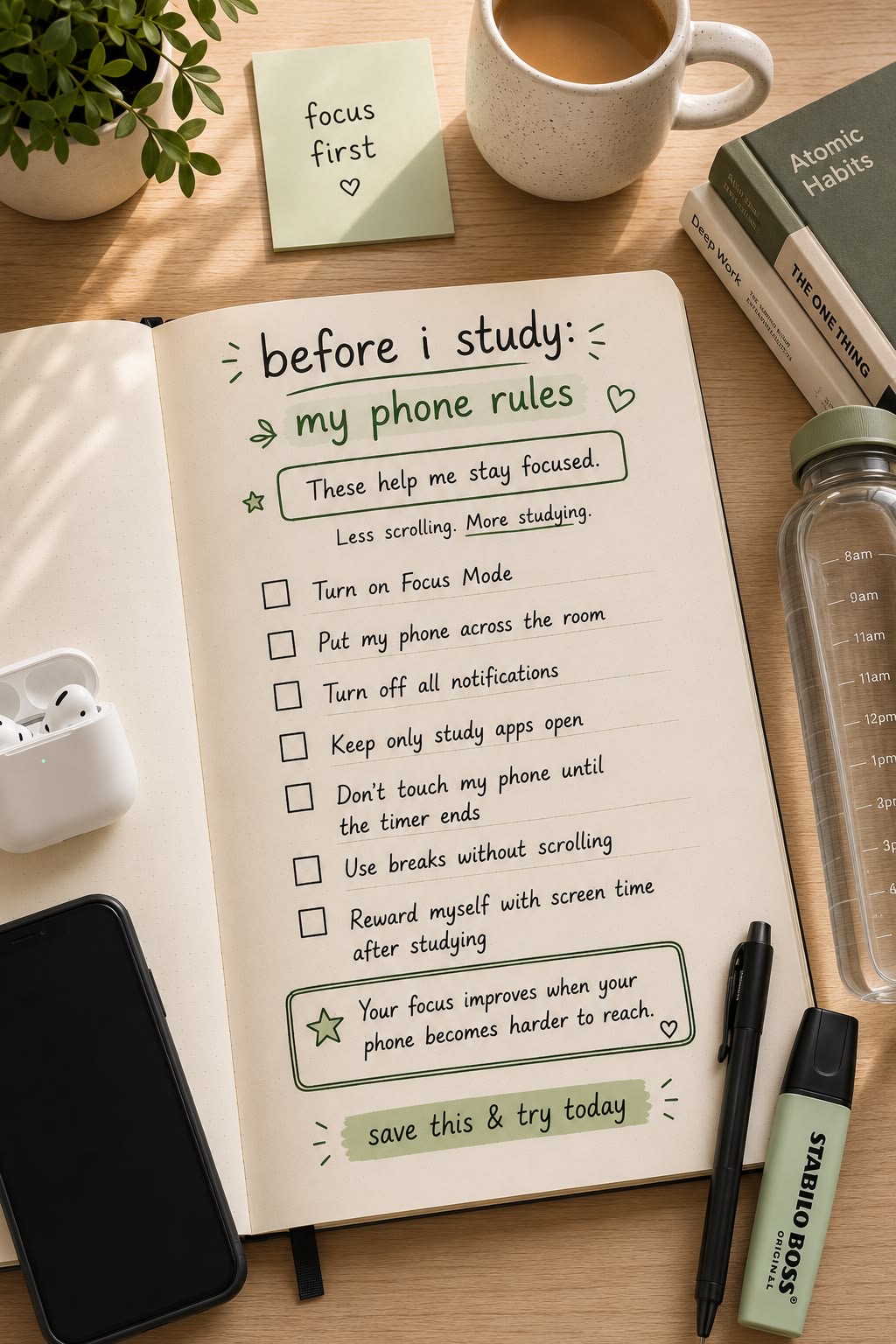
3. Communicate Your Schedule With Your Employer
Let your manager know you’re balancing school alongside your full-time role. Meanwhile, this doesn’t mean asking for special treatment or reduced expectations. Simple awareness often helps when scheduling meetings or requesting occasional flexibility. Most employers respond well to honest, proactive communication about your workload. This small step often prevents unnecessary stress during particularly demanding weeks.
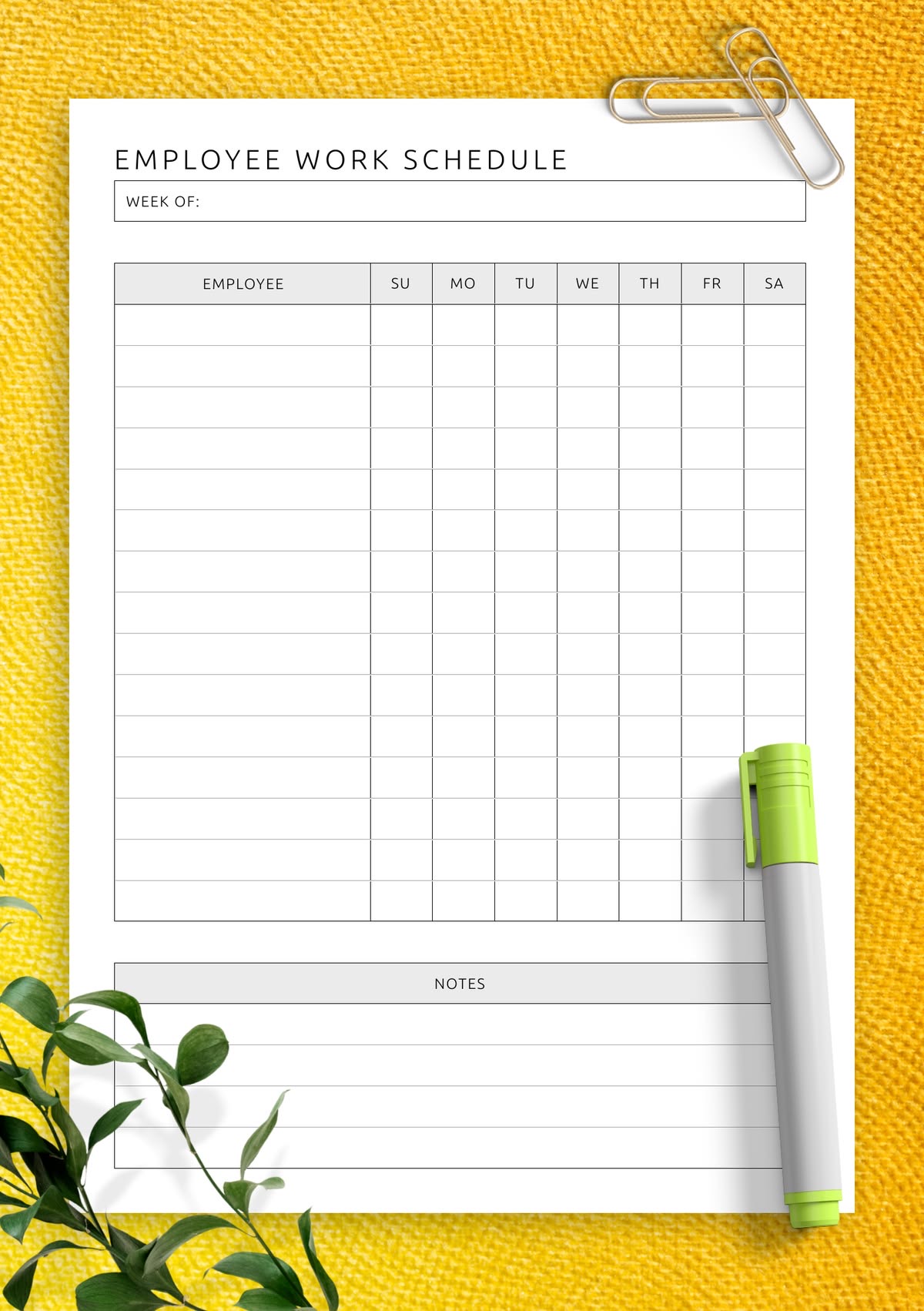
4. Break Assignments Into Smaller Daily Tasks
Avoid saving entire assignments for one long, overwhelming study session. Instead, break papers and projects into smaller, daily manageable pieces. Meanwhile, this approach fits more naturally into a busy, full workday. Working for thirty minutes daily often beats one exhausting weekend cram session. This habit also reduces the anxiety of large, looming deadlines.
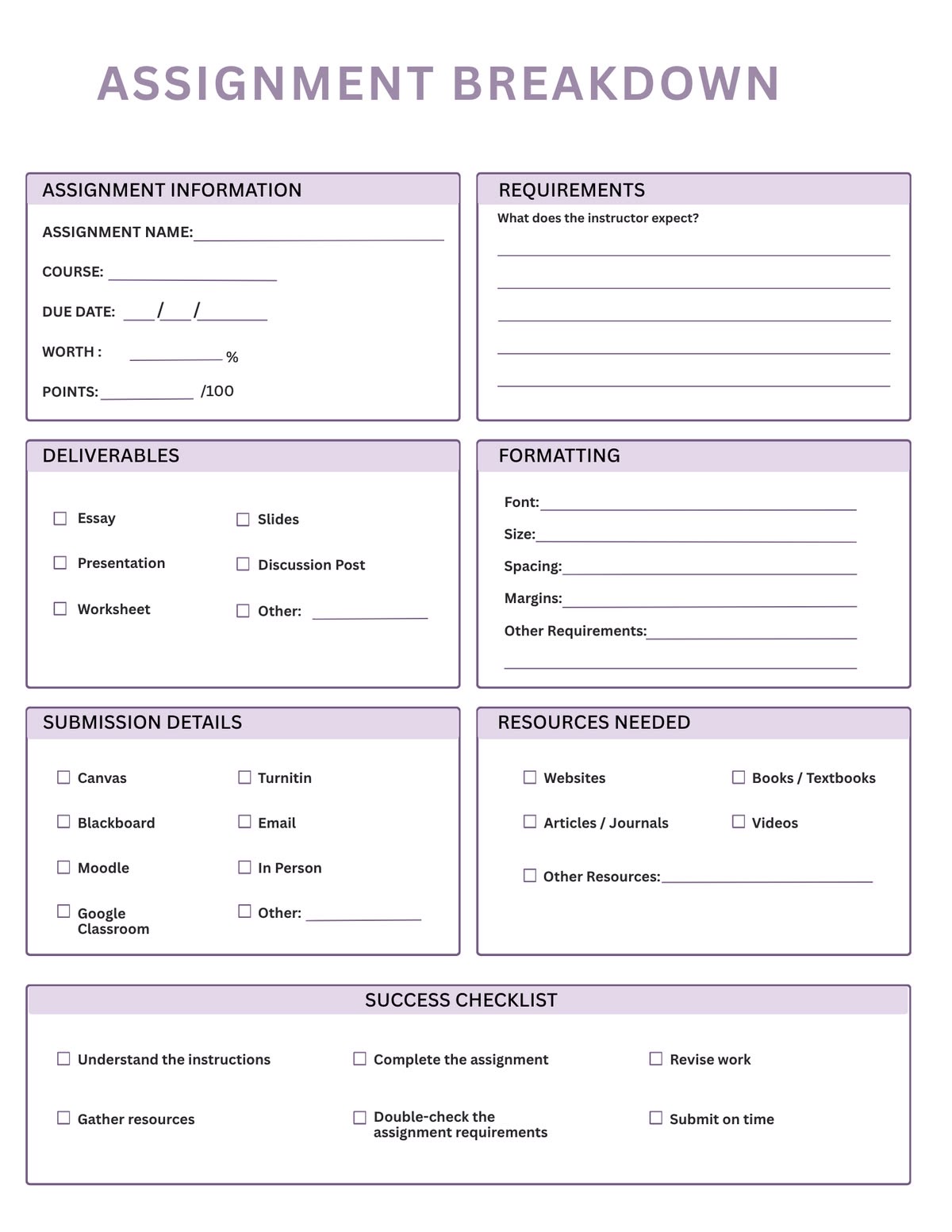
5. Use Your Commute or Breaks Strategically
Listen to lecture recordings during your commute if your schedule allows. Meanwhile, use short work breaks for quick reading or reviewing notes. These small pockets of time add up more than people initially expect. This approach doesn’t require extra hours, just smarter use of existing ones. Small, consistent effort throughout the day reduces evening workload significantly.
6. Set Clear Boundaries Around Your Evening Hours
Define when your workday actually ends and your personal time begins. Meanwhile, resist the urge to keep checking work email during study time. Without boundaries, both responsibilities can quietly bleed into every waking hour. Protecting distinct time for each priority supports better overall focus. This habit also protects space for genuine rest and personal life.
7. Build a Support System Around You
Tell close friends and family about your current, demanding schedule honestly. Meanwhile, ask for grace and understanding during particularly busy weeks ahead. A support system helps you avoid social guilt during necessary study time. Consider connecting with other working students online for shared understanding. This network becomes especially valuable during stressful exam or deadline periods.

8. Automate or Simplify Daily Decisions
Reduce daily decision fatigue by planning meals, outfits, or routines in advance. Meanwhile, this frees up mental energy for actual coursework and work tasks. Small daily decisions add up to real, cumulative mental exhaustion over time. Simplifying anything routine protects your energy for what genuinely matters most. This habit supports better focus during both work and study sessions.
9. Use a Single, Centralized Planning System
Keep work deadlines, class due dates, and personal commitments in one place. Meanwhile, juggling multiple planners or apps often creates unnecessary confusion and stress. A single, centralized system gives you a clear, complete picture instantly. This habit prevents the common experience of forgetting a due date entirely. Choose whatever format, digital or physical, actually works for your brain.
10. Prioritize Sleep Even During Busy Weeks
Avoid sacrificing sleep as your default coping strategy during stressful periods. Meanwhile, poor sleep actually reduces your focus and overall productivity significantly. Protecting even six or seven hours supports better performance in both areas. This habit feels counterintuitive when time feels scarce, but genuinely helps. Rested focus accomplishes more than exhausted, scattered effort ever will.
11. Take Breaks Without Guilt
Schedule short, genuine breaks throughout your day, not just at day’s end. Meanwhile, stepping away briefly actually improves focus once you return to work. Constant, uninterrupted grinding often leads to burnout faster than expected. Give yourself permission to rest without feeling like you’re falling behind. This mindset shift supports sustainable effort over the entire semester.
12. Review and Adjust Your System Regularly
Check in with yourself weekly about what’s working and what genuinely isn’t. Meanwhile, be willing to adjust your schedule as circumstances naturally change. A system that worked in week two might need tweaks by week eight. This flexibility keeps your approach realistic instead of rigid and frustrating. Regular check-ins prevent small problems from becoming overwhelming later on.
14. Choose Classes and Schedules Strategically When Possible
Pick class times or asynchronous options that genuinely fit your work hours. Meanwhile, avoid overloading a single semester if your job is especially demanding. A slightly slower degree timeline often beats constant, unsustainable burnout. This habit means planning a few semesters ahead whenever your program allows. Strategic course selection protects your energy just as much as daily habits do.
15. Celebrate Small Wins Along the Way
Acknowledge finishing a tough assignment or surviving a particularly demanding week. Meanwhile, this habit keeps motivation steady during a genuinely long, difficult season. Balancing work and school rarely comes with built-in recognition from others. Give yourself credit regularly instead of waiting until graduation to feel proud. This small mindset shift makes the day-to-day grind feel more sustainable.
Want me to work these into the full post in order, renumbering everything through “Building Realistic Expectations”?
Building Realistic Expectations for This Season of Life
Balancing full-time work and school rarely feels effortless, even with good systems. Meanwhile, some weeks will genuinely feel harder than others no matter what. Learning to manage full-time work and online college classes means accepting imperfection along the way. Progress matters more than perfectly executing every single strategy at once. Give yourself grace during this genuinely demanding season of life.
Final Thoughts
Balancing work and school doesn’t require sacrificing your wellbeing entirely. These strategies for managing full-time work and online college classes offer real, practical solutions. Most changes take just a bit of upfront planning to implement.
That overwhelming first semester taught me something valuable about sustainable balance. The right systems matter more than simply working harder or longer. Confidence comes from trusting a structure instead of relying on willpower alone. Small, consistent habits make this demanding season feel genuinely manageable.
Leave a Reply