If you’re looking for meaningful ways to celebrate Native American Heritage Month as a family, there are plenty of activities that can help children and adults learn about Native peoples, history, cultures, traditions, and contemporary communities. In this post, I’m sharing 15 Native American Heritage Month activities for families that encourage learning through books, museums, documentaries, research, food, art, and conversations.
Native American Heritage Month is observed in November in the United States. It is an opportunity to learn about the many distinct Native nations and communities across the country and to recognize their histories, cultures, contributions, and continuing presence.
One important thing to remember is that there is no single “Native American culture.” There are hundreds of federally recognized tribes in the United States, along with other Native communities, and each has its own history, traditions, languages, and cultural practices.
That makes this month a wonderful opportunity to move beyond stereotypes and help children understand that Native peoples are not simply part of the past. They are living communities with diverse cultures and experiences today.
1. Read Books by Native Authors
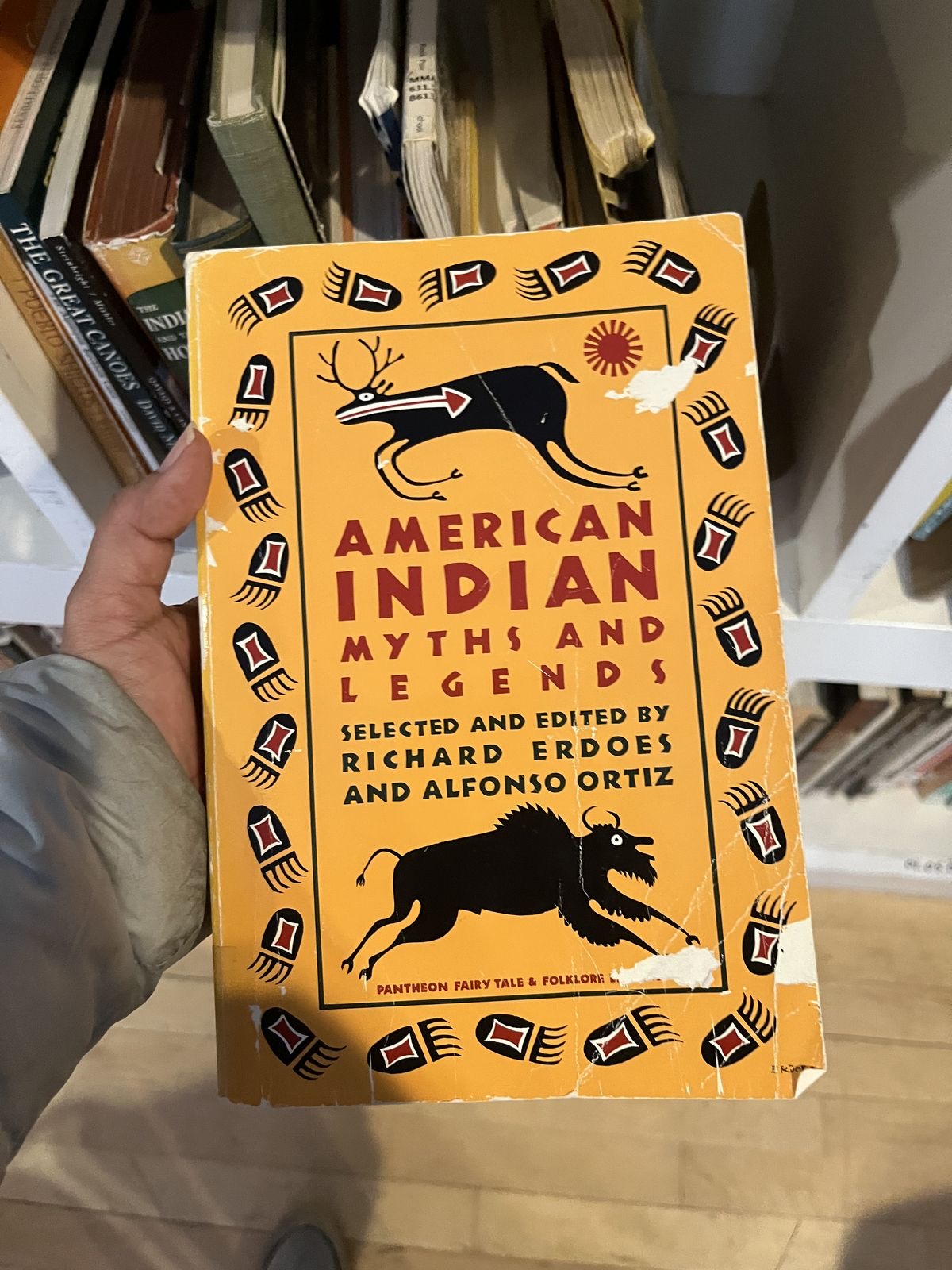
Choose books written or illustrated by Native authors and artists and read them together as a family.
For younger children, look for picture books that introduce Native characters, family life, community, or contemporary experiences. Older children can explore novels, biographies, poetry, history, or nonfiction written from Native perspectives.
After reading, talk about what your family learned and which parts of the story stood out.
Family Discussion Idea
Ask your children what they learned about the characters, community, or culture that they did not know before reading the book.
2. Learn About a Native Nation in Your State
Choose a Native nation or community connected to your state and spend some time learning about its history and present-day community.
Research its official website, language, history, cultural institutions, and current community activities.
This can help children understand that Native history is not something that happened only hundreds of years ago.
Make It a Family Project
Have each family member choose one interesting fact to share during dinner.
3. Visit a Native American Museum or Cultural Center
If there is a Native American museum, cultural center, heritage site, or exhibit near you, consider making a family visit.
Museums can provide opportunities to learn through artifacts, photographs, artwork, historical information, and exhibitions created with greater cultural context.
Before visiting, check whether the institution has family programs or educational activities available during November.
4. Watch a Documentary by Native Filmmakers
Choose a documentary, interview, or educational film created by Native filmmakers or featuring Native voices.
After watching, talk about what the film taught your family and how it may have changed or expanded your understanding.
For older children, encourage them to write down three things they learned and one question they still have.
5. Explore Native American History Through a Timeline
Create a family timeline showing important events in Native American history.
Instead of focusing only on early U.S. history, include events from different periods and examples of Native activism, cultural preservation, political leadership, and contemporary achievements.
Use reliable educational sources and explain difficult historical events in an age-appropriate way.
For Younger Children
Keep the timeline simple and focus on broad ideas such as community, change, resilience, and contributions.
6. Learn About Native Languages
Languages are an important part of cultural identity.
Choose one Native language to learn about as a family. Explore its history and, where appropriate, learn a few words from educational resources provided by the community or language program.
Avoid treating a Native language as a collection of random words to copy. Explain that languages belong to living communities and that many Native nations are actively working to preserve and revitalize their languages.
7. Explore Native American Contributions to the United States
Spend an afternoon researching contributions made by Native people in areas such as agriculture, environmental knowledge, art, literature, science, sports, government, activism, and the military.
Each family member can choose one person to research and present to everyone else.
This can help children see Native Americans as individuals with diverse achievements rather than reducing their history to a few familiar textbook topics.
8. Visit a Native Art Exhibition
Look for an exhibition featuring Native artists or contemporary Native artwork.
If you cannot visit one in person, explore an online collection from a museum or Native cultural institution.
Talk about the different artistic styles and materials you see, while remembering that artistic traditions vary widely between Native nations.
Family Activity
Have each person choose one artwork they found interesting and explain what caught their attention.
9. Cook a Meal Featuring Indigenous Foods
Food can be a meaningful way to learn about history and geography.
Choose ingredients associated with Indigenous food traditions, such as corn, beans, squash, wild rice, berries, or other foods connected to particular Native communities.
Rather than calling these ingredients “Native American food” as though they represent one cuisine, learn about the specific communities and regions connected to the foods you choose.
Make the meal together and read about the history of the ingredients while you cook.
10. Learn About the Three Sisters
Introduce children to the agricultural tradition commonly known as the Three Sisters: corn, beans, and squash.
Many Indigenous communities have cultivated these crops together in different ways, although practices and meanings vary among nations.
You can learn about the agricultural relationships between the crops and discuss how plants can support one another.
Simple Family Activity
If you have space, plant corn, beans, and squash together and observe how they grow.
11. Explore Contemporary Native American Leaders
Choose several Native people who are making contributions today.
Depending on your children’s interests, you might explore Native authors, artists, athletes, scientists, educators, politicians, environmental advocates, or entrepreneurs.
Discuss what each person does and why their work matters.
This activity can be especially useful for helping children understand that Native American Heritage Month is about living communities, not only historical figures.
12. Learn About Native American Veterans
Spend time learning about Native Americans who have served in the U.S. military.
Research individual veterans and learn about the contributions of Native service members from different periods of U.S. history.
You can also discuss why military service has been significant for some Native individuals and communities.
Family Reflection
Ask each family member to write a short note about something they learned about Native veterans.
13. Take a Nature Learning Walk
Spend time outdoors learning about the plants and natural environment in your local area.
Instead of presenting this as a generic “Native American nature activity,” research how a specific Native nation connected to your region has traditionally interacted with local plants, animals, water, or land.
Use information from Native communities or reputable educational institutions whenever possible.
This can help children understand that relationships with land are connected to specific places and cultures.
14. Listen to Native Musicians and Storytellers
Explore music, storytelling, poetry, or other creative work by Native artists.
Choose contemporary Native musicians or storytellers rather than relying only on stereotypical representations of Indigenous music.
Talk about the different styles you hear and learn a little about the artist behind each piece.
Family Activity
Have everyone choose one artist they would like to learn more about and share one thing they discovered.
15. Create a Family Learning Night
Bring everything you’ve learned throughout the month together for a special family evening.
Each person can share a book, person, historical event, artwork, language fact, food, or community they discovered.
You could also prepare a meal inspired by your learning, watch a Native-created film, or read a book together.
The goal is not to pretend that one evening can teach you everything about hundreds of distinct Native nations. Instead, use it as an opportunity to reflect on what you learned and decide what you would like to explore next.
How to Make Native American Heritage Month Meaningful for Children
When teaching children about Native American history and culture, the way you approach the subject matters.
Avoid Treating Native Cultures as One Culture
Native nations are diverse. Their languages, traditions, histories, governments, and cultural practices can be very different.
Whenever possible, identify the specific Native nation or community you are learning about.
Use Native Voices
Look for books, websites, museums, videos, and educational resources created by Native people and organizations.
This gives children opportunities to learn directly from people and communities whose histories and cultures are being discussed.
Include Contemporary Native Life
Make sure children understand that Native Americans live, work, create art, write books, attend school, raise families, and contribute to their communities today.
Learning about contemporary Native people can help move the conversation beyond historical stereotypes.
Let Children Ask Questions
Children are naturally curious, so give them space to ask questions.
If you do not know an answer, look for a reliable source together instead of guessing. This can actually make the learning experience more meaningful.
Simple Native American Heritage Month Family Schedule
If you want to spread the activities throughout November, you could create a simple weekly routine.
Week One
Read a book by a Native author and research a Native nation connected to your state.
Week Two
Explore Native art, music, or a documentary created by Native people.
Week Three
Learn about Indigenous foods, the Three Sisters, or Native contributions to agriculture.
Week Four
Research contemporary Native leaders and finish the month with a family learning night.
This gives your family time to explore the subject without trying to cover everything in one afternoon.
Final Thoughts
Native American Heritage Month can be a meaningful opportunity for families to learn together, especially when the focus goes beyond stereotypes and simplified versions of history. Reading books by Native authors, visiting cultural institutions, learning about specific Native nations, exploring contemporary Native voices, and discussing Indigenous contributions can help children develop a broader understanding of Native peoples and their continuing presence.
You do not need to know everything before you begin. Start with one community, one book, one artist, or one story, and allow your family’s learning to grow from there.
Most importantly, approach the month with curiosity and respect. Native American Heritage Month is not about creating a single activity that represents all Native peoples; it is an opportunity to learn about the many distinct communities, histories, cultures, and individuals that make up Native America.
Leave a Reply