Busy days often feel productive without actually moving the needle forward. Real productivity comes from small, consistent habits, not constant hustle. That’s why building solid productivity habits matters more than working longer hours. This post walks you through 19 habits that genuinely make a difference. Some feel simple, while others require a small mindset shift. You’ll find something here no matter how packed your schedule feels.
A few years ago, I worked long hours but still felt behind constantly. My days felt busy, yet nothing important ever seemed to finish. Eventually, I realized effort and actual progress were two different things. Small changes to my daily routine created real, noticeable results. That shift taught me something important about how productivity actually works. Working smarter consistently beats working harder without any real direction.
This list covers time management, focus, and a few simple daily habits too. Each one works on its own, but they’re stronger combined together. Grab a notebook, and let’s get into the habits below. By the end, you’ll have plenty of practical ideas to try.
1. Start Your Day With One Clear Priority
Pick a single, most important task before checking anything else. This habit prevents your day from spiraling into constant reaction mode. Meanwhile, finishing that one task early creates momentum for everything else. Write it down the night before if mornings feel rushed. A clear priority keeps your whole day pointed in one direction.
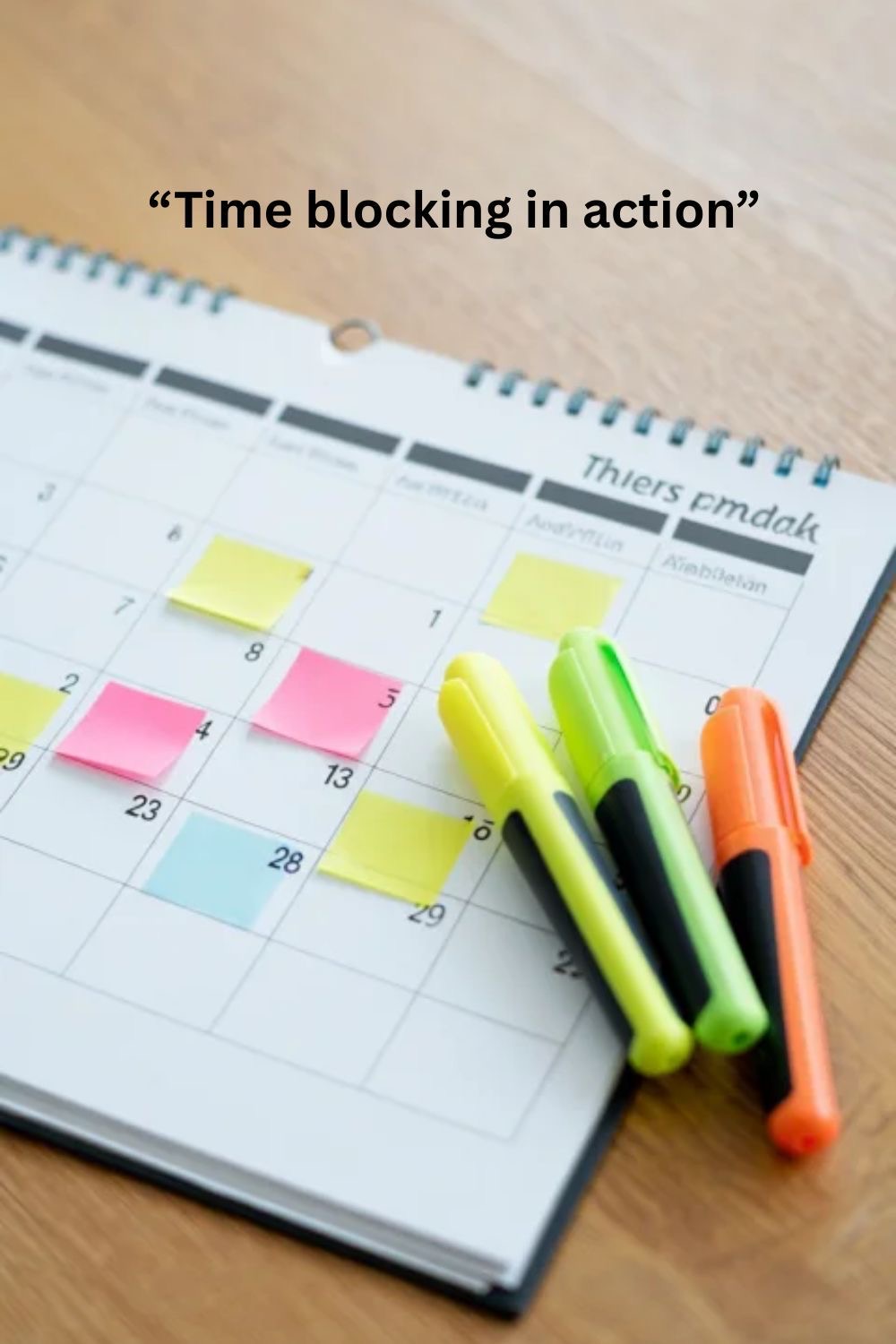
2. Time Block Your Calendar
Assign specific blocks of time to specific tasks each day. This habit prevents work from expanding to fill unlimited time. Meanwhile, it also protects space for deep, focused work sessions. Treat these blocks like real appointments you can’t easily skip. Time blocking turns vague intentions into an actual daily plan.
3. Use the Two-Minute Rule
If a task takes under two minutes, handle it immediately. This habit prevents small tasks from piling up into overwhelming clutter. Meanwhile, quick wins throughout the day build genuine momentum too. Save longer tasks for dedicated blocks of focused time instead. This simple rule keeps your to-do list from growing unmanageable.
4. Limit Your Daily To-Do List
Cap your daily list at three to five real priorities. Long, unrealistic lists often lead to frustration and constant carryover. Meanwhile, a shorter list feels achievable and genuinely gets completed. Save extra tasks for a separate, ongoing list instead. This habit keeps your daily focus clear and manageable.
5. Batch Similar Tasks Together
Group emails, calls, or errands into single, focused time blocks. Constant task-switching drains mental energy faster than people realize. Meanwhile, batching similar work reduces the friction of switching gears constantly. Try checking email only two or three times per day. This habit protects your focus for more demanding work.
6. Remove Notifications During Focus Time
Turn off phone and computer notifications during important work blocks. Constant pings interrupt your concentration more than most people notice. Meanwhile, even a quick glance at your phone breaks deep focus. Try silencing notifications for set periods throughout your day. This small habit protects your most valuable, focused working hours.
7. Use a Timer for Focused Work Sessions
Set a timer for twenty-five or fifty minutes of focused work. This method, often called time blocking or the Pomodoro technique, builds urgency. Meanwhile, short breaks between sessions prevent burnout and mental fatigue. Try working in focused sprints instead of long, unstructured stretches. This habit makes large tasks feel far more manageable overall.
8. Plan Your Next Day the Night Before
Spend five minutes each evening planning tomorrow’s priorities. This habit removes decision fatigue from your first waking moments. Meanwhile, you start each morning with clarity instead of confusion. Write down your top three tasks before closing your laptop. This small routine makes mornings feel calmer and more focused.
9. Protect Your Most Productive Hours
Notice when your energy and focus naturally peak each day. Schedule your hardest, most important tasks during this window. Meanwhile, save easier, low-energy tasks for your less focused hours. Everyone’s peak productivity time looks slightly different from others. Working with your natural rhythm beats fighting against it daily.
10. Say No to Non-Essential Commitments
Every yes to something small takes time from something more important. Meanwhile, overcommitting spreads your focus too thin across too many things. Practice saying no to requests that don’t align with your priorities. This habit protects your time for what genuinely matters most. Learning this skill takes practice, but it pays off significantly.
11. Take Real Breaks, Not Just Screen Switches
Step away from your desk completely during scheduled breaks. Scrolling social media doesn’t actually count as real mental rest. Meanwhile, a short walk or stretch restores focus far more effectively. Try stepping outside, even briefly, between demanding work sessions. Real breaks help you return to work with renewed energy.
12. Keep a Running Idea List
Write down random thoughts or ideas as soon as they appear. This habit prevents mental clutter from distracting your current focus. Meanwhile, you free up mental space by trusting the list instead. Review this list during dedicated planning time each week. This simple habit keeps stray thoughts from derailing your workflow.
13. Use the “Eat the Frog” Method
Tackle your hardest, most dreaded task first thing each morning. This habit prevents procrastination from building throughout the entire day. Meanwhile, finishing the hardest task early creates relief and momentum. Everything afterward feels easier by comparison once it’s done. This method works especially well for tasks you tend to avoid.
14. Declutter Your Workspace Regularly
A cluttered desk often leads to a cluttered, distracted mind. Take five minutes at the end of each day to tidy up. Meanwhile, a clean workspace helps you start the next day focused. This habit takes almost no time but makes a real difference. Physical order often supports mental clarity throughout the workday.

15. Track Where Your Time Actually Goes
Spend a few days logging how you actually spend your time. Most people underestimate how much time certain tasks really take. Meanwhile, this awareness helps you make more realistic daily plans. Small time leaks often add up to hours lost weekly. Tracking your time honestly reveals surprising, useful patterns quickly.
16. Build in Buffer Time Between Tasks
Avoid scheduling meetings or tasks back-to-back without any breathing room. Buffer time prevents one delay from derailing your entire schedule. Meanwhile, it also gives your brain a moment to reset. Try adding ten or fifteen minutes between major commitments. This small adjustment reduces daily stress significantly over time.
17. Automate or Delegate Repetitive Tasks
Identify tasks that don’t require your personal, direct attention. Automate what you can, and delegate the rest when possible. Meanwhile, this frees up time for higher-priority, meaningful work instead. Many repetitive tasks quietly eat up more time than realized. Letting go of unnecessary control often boosts overall productivity.
18. Set Clear Boundaries Around Work Hours
Define when your workday actually starts and ends each day. Without clear boundaries, work quietly expands into personal time. Meanwhile, rest and downtime actually support better focus during work hours. Communicate these boundaries clearly with coworkers or family members too. This habit protects both your productivity and your overall wellbeing.
19. Review Your Progress Weekly
Set aside time each week to review what actually got done. This habit helps you notice patterns and adjust your approach. Meanwhile, celebrating small wins keeps motivation steady over time. Use this review to plan priorities for the upcoming week. Regular reflection turns scattered effort into consistent, real progress.
Building These Habits Without Overwhelming Yourself
Trying to adopt all nineteen habits at once usually backfires quickly. Instead, pick two or three that feel most relevant right now. Meanwhile, give each habit a few weeks to actually become routine. Small, consistent changes build lasting productivity habits far better than drastic overhauls. Progress matters more than perfection when building any new routine.
Final Thoughts
Building better productivity habits doesn’t require a complete lifestyle overhaul overnight. Small, consistent changes create real, lasting results over time. Most of these habits take just a few minutes to implement.
That exhausting stretch of busy-but-unproductive days taught me something valuable. Real progress comes from intentional habits, not just constant effort. Confidence comes from trusting a system instead of relying on willpower alone. Small changes compound into meaningful results over weeks and months.
Pick two or three habits from this list to try first. Give yourself time to adjust before adding anything new. Some productivity habits work better depending on your specific schedule. Track your progress honestly, and adjust what isn’t working. Start today, and watch small changes add up over time.
Leave a Reply