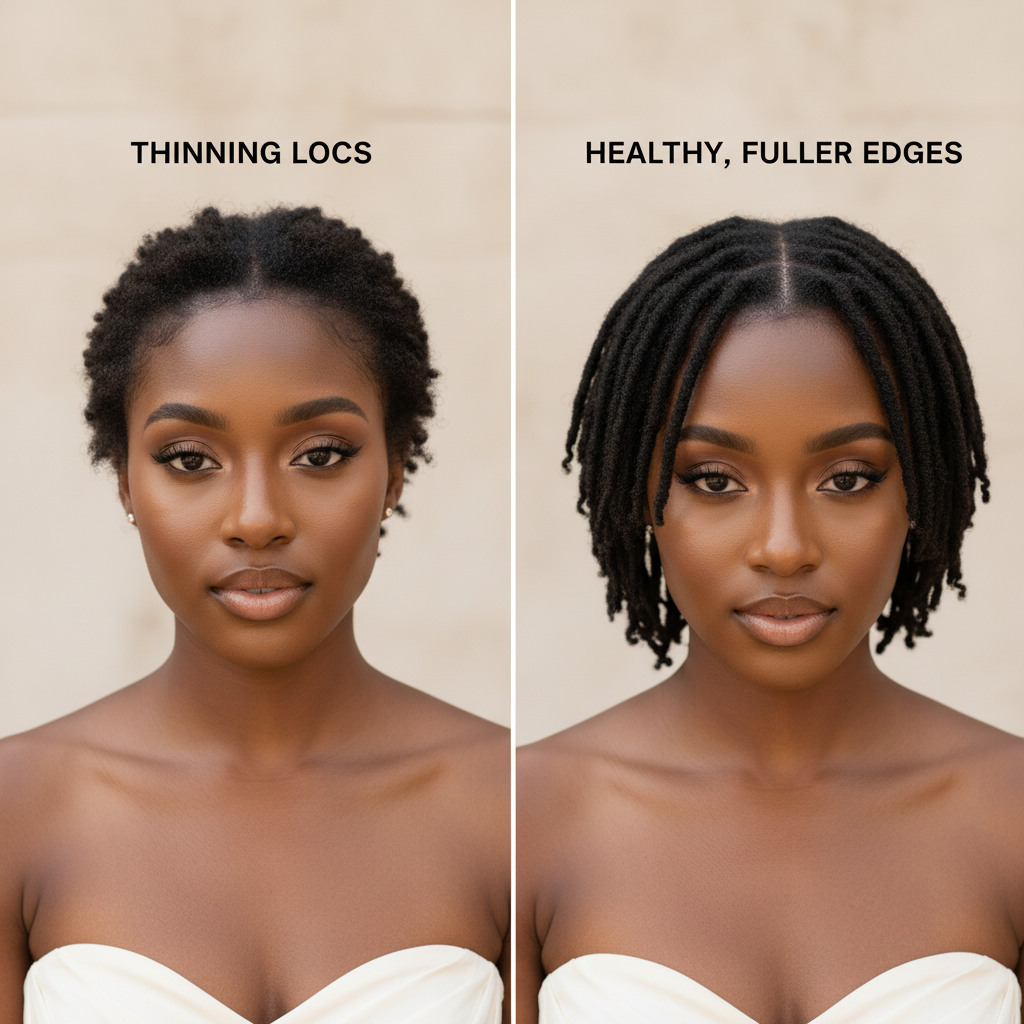
One of the most frustrating experiences for anyone on a loc journey is noticing thinning at the front edges of your hair. Your locs might still look full everywhere else, but the hairline starts to feel weaker, softer, or even visibly sparse, and that can affect confidence, styling choices, and overall hair health.
If you’ve been searching for answers like why are my locs thinning at the front edges or how can I fix thinning locs naturally, you are definitely not alone. This is a very common stage in the loc journey, especially for people who frequently retwist, style tightly, or put stress on their edges over time.
The good news? Thinning locs at the front edges is not the end of your journey, it’s actually something you can repair, improve, and prevent with the right care routine, patience, and consistency.
In this guide, we’ll break down the real causes of edge thinning, practical natural fixes you can start at home, and long-term habits to restore strength and fullness to your locs hairline. I’ll also be linking helpful guides like starter locs mistakes, how to keep your locs moisturized, and even styling inspiration like 2026 cute short hairstyles for locs, so you can build a full healthy hair routine that actually works.
1. Tight Retwisting and Excess Tension on the Hairline
One of the most common and often overlooked causes of locs thinning at the front edges is too much tension during styling and retwisting. While retwisting helps keep locs neat and maintained, doing it too tightly especially around the front hairline, can slowly weaken the delicate strands over time.
Your edges are naturally finer and more fragile than the rest of your hair, which means they cannot handle constant pulling or pressure. When retwists are done too frequently or too tightly, the hair follicles begin to experience stress, which can eventually lead to thinning or breakage.
This is especially common for people who love sleek, polished styles because they often prioritize appearance over hair comfort.
- Ask for looser retwists around the edges
- Avoid frequent tight styling at the front
- Give your hairline “rest weeks” between maintenance
Related read: Starter Locs Mistakes You Should Avoid Early

2. Lack of Moisture at the Hairline
Dryness is another major reason locs begin to thin at the edges. The hairline is the most exposed part of your scalp, it is constantly affected by sun, friction, styling products, and even sleeping habits.
When the edges become dry and brittle, they lose elasticity, making them more prone to snapping or thinning over time.
A well-moisturized hairline, on the other hand, stays soft, flexible, and strong.
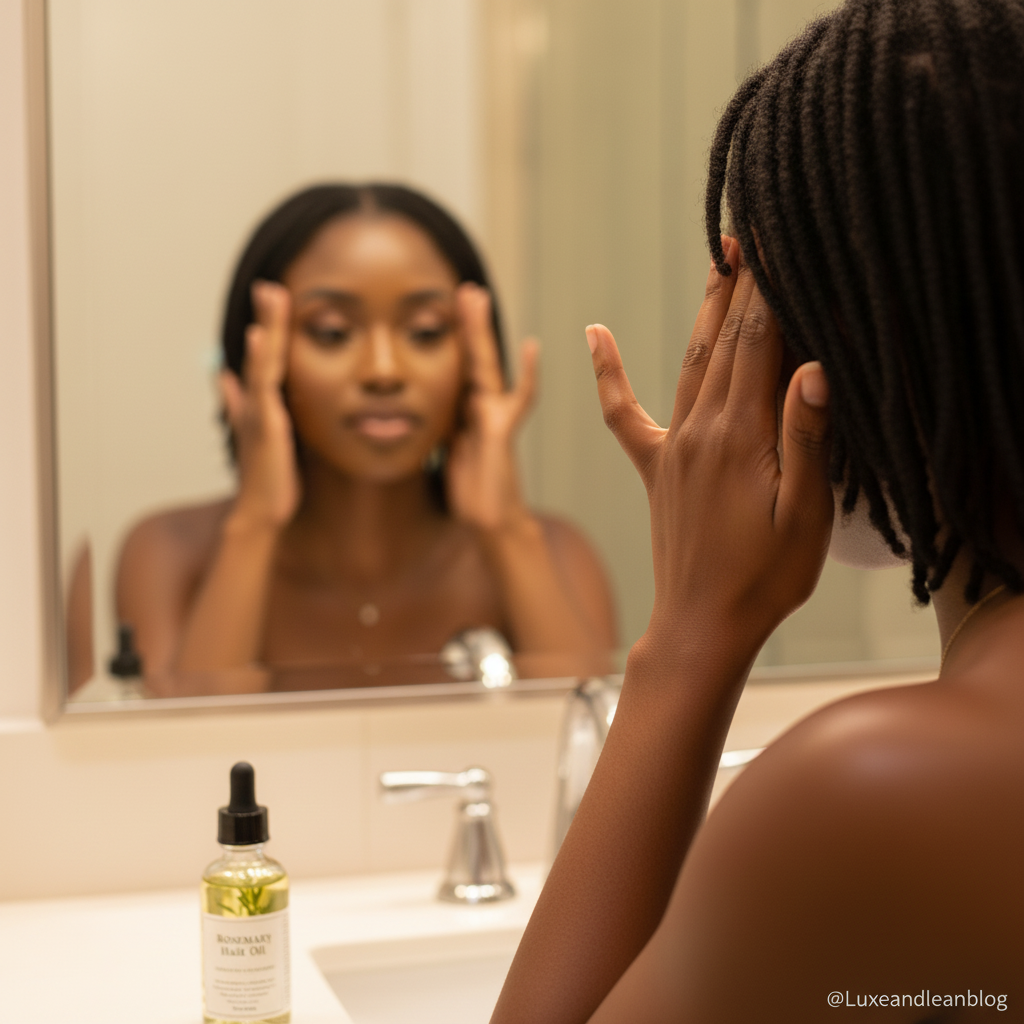
- Use lightweight natural oils like jojoba or rosemary oil
- Mist your edges regularly with water-based moisture sprays
- Avoid heavy gels that cause buildup at the front
Related read: How to Keep Your Locs Moisturized Properly
3. Overstyling and Constant Edge Manipulation
Another silent cause of thinning edges is constant styling and manipulation. Many people unknowingly put stress on their hairline by always trying to make it look “perfect.”
This includes:
- brushing edges every day
- applying edge control frequently
- redoing the front section repeatedly
While these habits may improve appearance temporarily, they place continuous stress on the same fragile area, which weakens it over time.
Your edges need moments of rest just like the rest of your hair.
- Allow “no-edge days” where you leave your hairline natural
- Reduce daily styling of the front section
- Focus on soft, low-maintenance looks

4. Improper Styling Techniques for Loc Updos
Certain loc styles can unintentionally contribute to edge thinning, especially when they pull the hairline backward or upward repeatedly.
High ponytails, tight buns, and heavy updos can place uneven pressure on the front edges. Over time, this constant strain weakens the follicles and causes gradual thinning.
Even if the style looks beautiful, the hidden tension can still cause long-term damage if not managed properly.
- Choose looser protective styles that don’t pull the front
- Alternate between updos and free-flow styles
- Avoid heavy accessories at the front
5. Nutritional and Scalp Health Factors
Healthy locs are not only about external care, they are deeply connected to internal health as well. If your body is lacking essential nutrients, your hairline is usually one of the first places to show it.
A weak scalp environment or poor nutrition can slow down hair growth, reduce strength, and make the edges more prone to thinning.
This is why a full approach is important, not just styling care, but overall wellness.
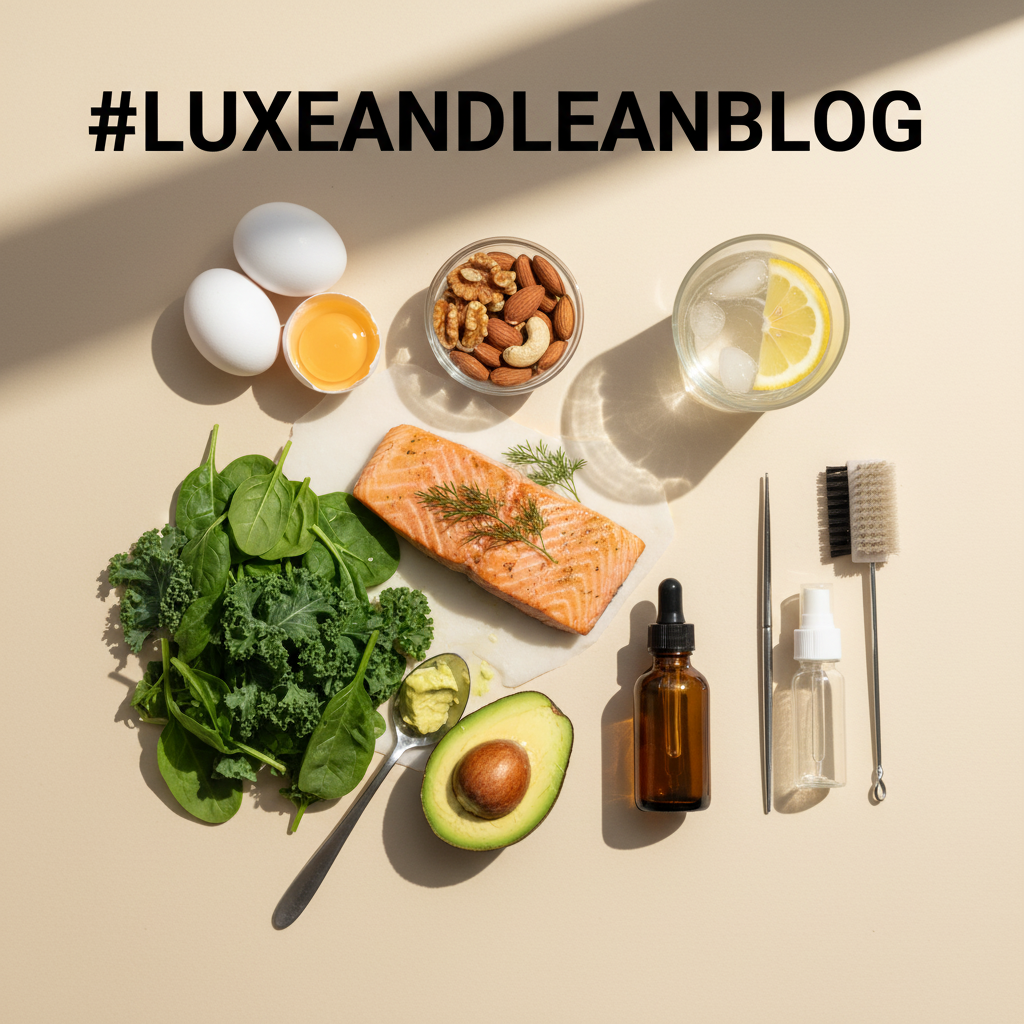
- Eat protein-rich foods (eggs, beans, fish, nuts)
- Drink enough water daily to support hydration
- Maintain a clean, balanced scalp environment
When your body is nourished properly, your hair responds by growing stronger, thicker, and healthier over time.
 How to Naturally Fix Locs Thinning at Front Edges
Fixing thinning locs at the front edges is not something that happens overnight, it’s a gradual repair process that focuses on reducing stress, restoring moisture, and allowing your hairline to recover naturally over time. The goal is not to rush growth, but to create the healthiest environment for your edges to rebuild strength.
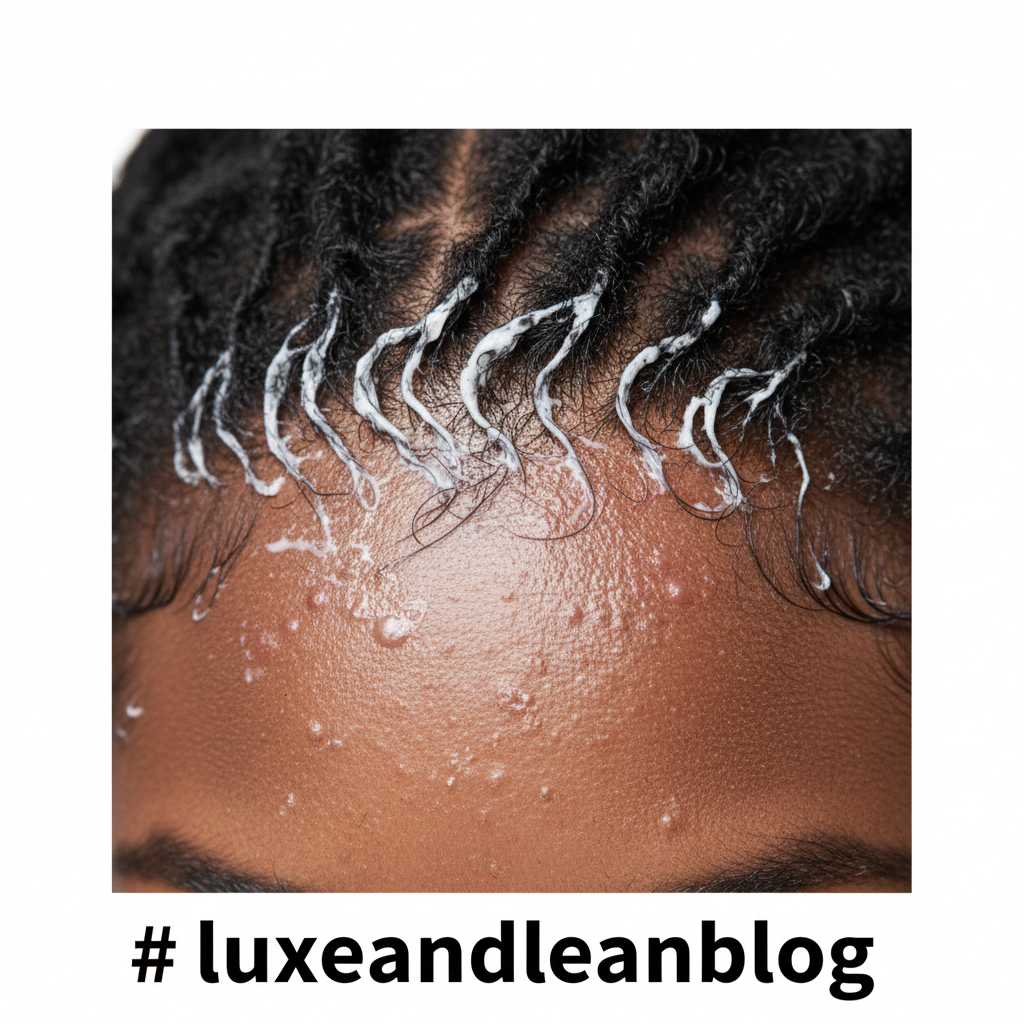
Step 1: Stop all tension immediately
The first and most important step is removing anything that is pulling on your edges.
This includes:
- tight ponytails
- sleek buns
- frequent retwisting of the front
- heavy loc accessories placed at the hairline
Even if these styles look neat, they silently weaken fragile strands. Think of this as a “rest phase” for your edges where they are allowed to relax completely.
Step 2: Switch to scalp-repair oil routine
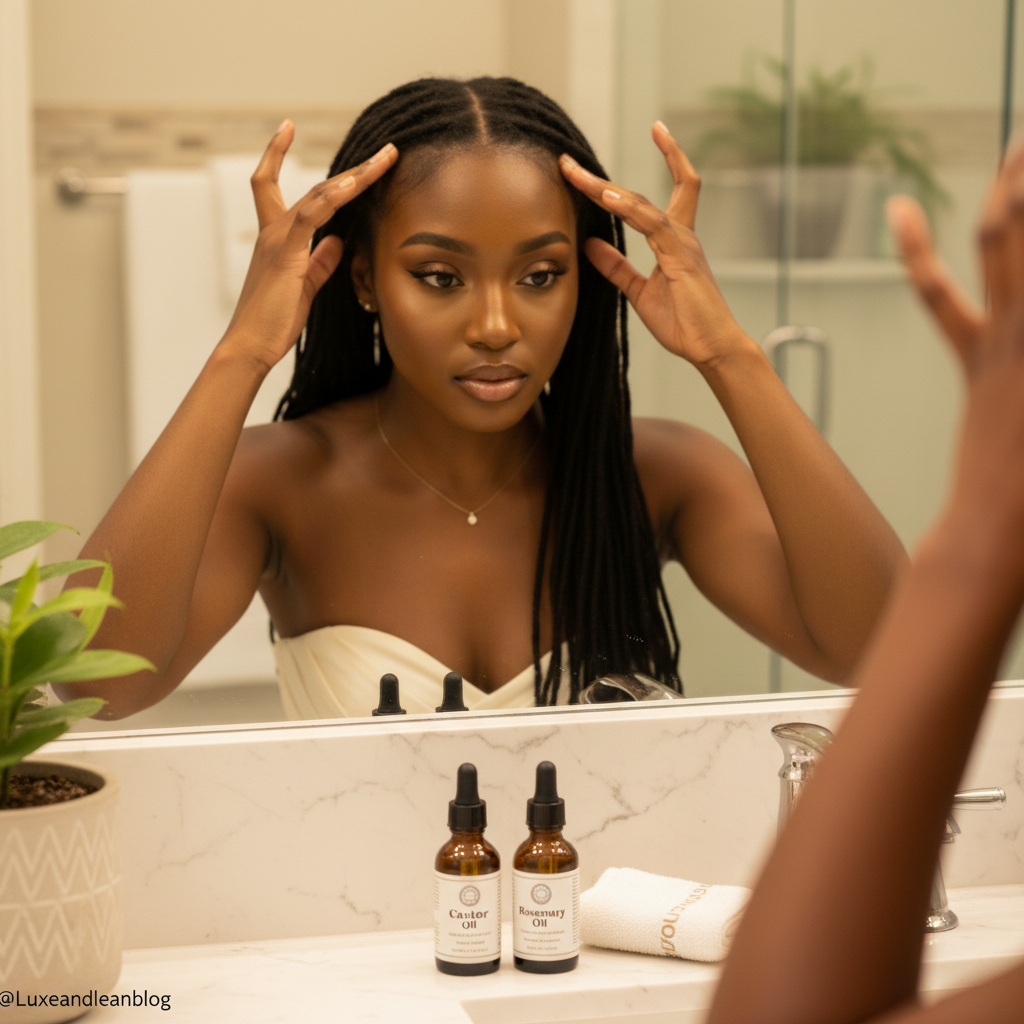
Once tension is reduced, your focus should move to nourishment.
Use lightweight, natural oils such as:
- castor oil (for strengthening)
- rosemary oil (for stimulation)
- peppermint oil (for blood circulation)
- jojoba oil (for moisture balance)
Massage gently into the front edges for a few minutes daily or at least 3–4 times a week. This helps increase blood flow to the follicles, which supports gradual regrowth.
Step 3: Reduce manipulation completely
During recovery, your edges should not be “handled” too often.
Avoid:
- constant edge brushing
- daily gel application
- restyling the front every day
Let your hairline exist in a natural state for a while. The less you disturb it, the more stable it becomes.
Step 4: Use protective, low-tension styling
While healing, your loc styling matters a lot.
Choose:
- loose half-up styles
- low ponytails with soft ties
- free-flow loc styles
- styles that do NOT require tight pulling at the front
This allows you to still look styled while protecting recovery progress.

Step 5: Maintain scalp health like skincare
Your scalp is literally the foundation of your loc growth, so treat it like skin care.
- keep it clean (but not over-washed)
- avoid heavy buildup products at the edges
- exfoliate gently if product buildup is present
- drink enough water and eat protein-rich foods
Healthy scalp = stronger regrowth environment.
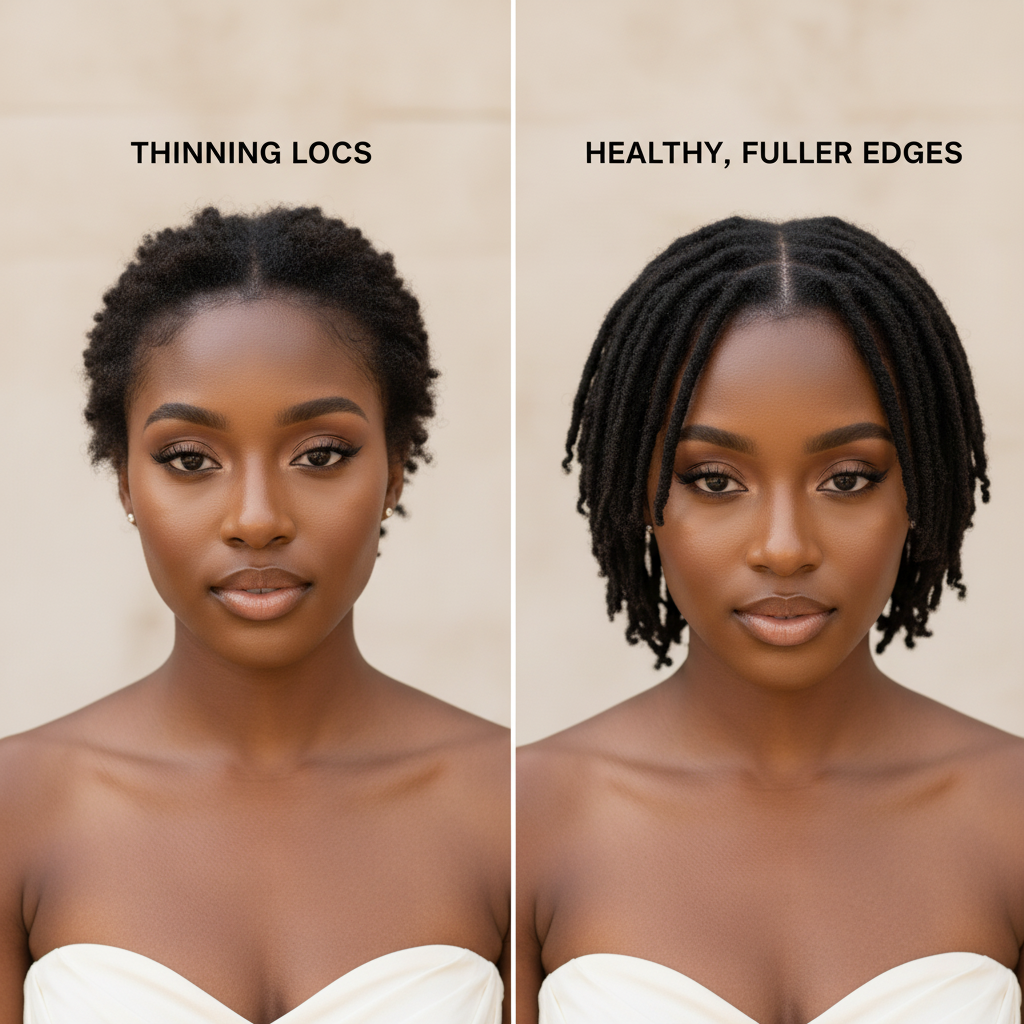
 Step 6: Be consistent for 6–12 weeks
This is where most people give up too early.
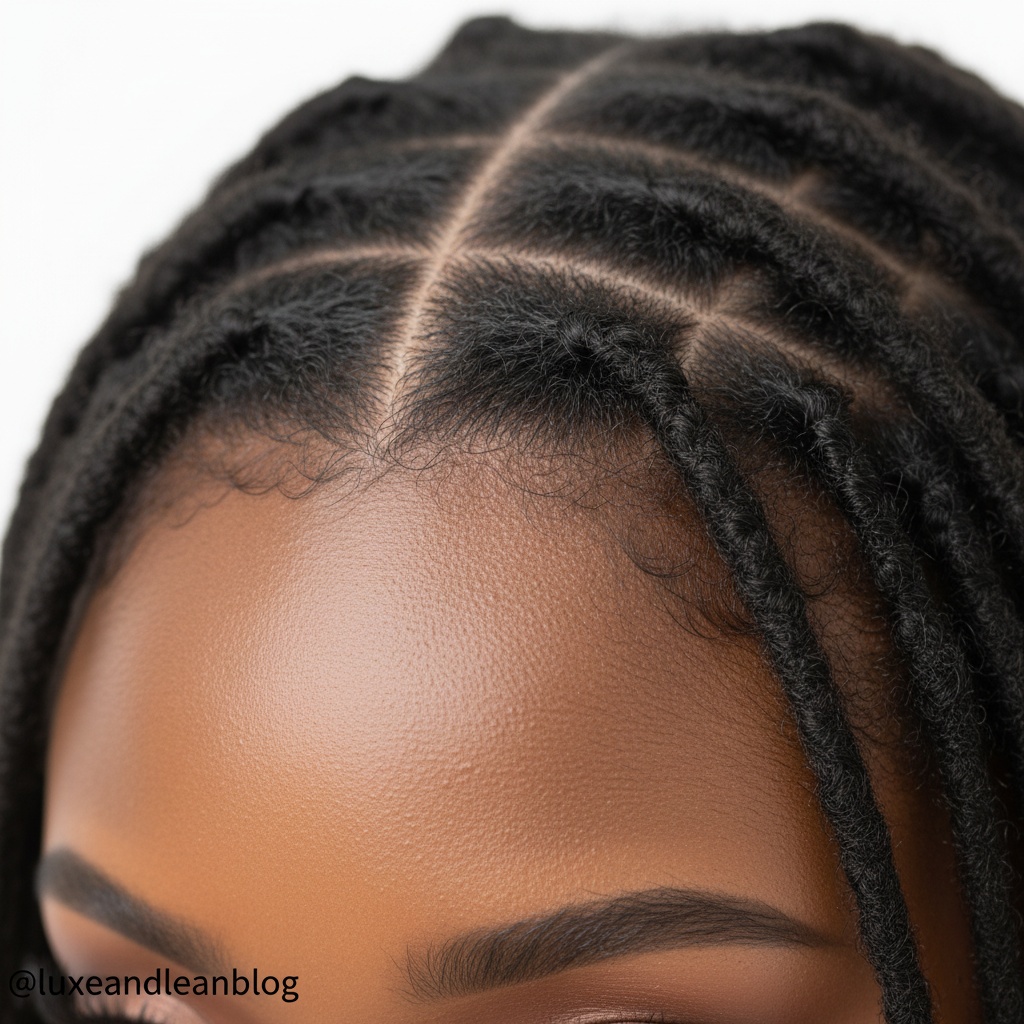
Edge recovery usually shows:
- slight improvement in 2–4 weeks
- visible strengthening in 6–8 weeks
- fuller appearance in 3+ months
Consistency matters more than intensity.
Locs thinning at the front edges is something many people experience during their loc journey, and it can feel worrying at first, especially when the rest of your hair still looks full and healthy. But the truth is, this condition is often not permanent. It is usually a result of repeated tension, styling habits, dryness, or lack of proper scalp care over time.
The most important thing to understand is that your edges are extremely delicate compared to the rest of your locs. They respond faster to stress, which is why they are usually the first area to show signs of thinning. The good news is that once you identify the cause and reduce the stress on that area, your hairline can slowly begin to recover.
What makes the biggest difference is patience and consistency. Many people expect instant results, but hair repair, especially around the edges works gradually. When you stop tight styling, introduce nourishing oils, reduce manipulation, and allow your scalp to breathe, you are essentially resetting the environment for healthy regrowth.
It is also important not to fall into panic styling, where you try to “hide” the thinning by pulling it tighter or covering it constantly. That usually makes the problem worse over time. Instead, focus on softness, protection, and long-term care.
Your loc journey is not defined by one phase or one problem. It evolves. With the right habits, your edges can become stronger, healthier, and more stable again, supporting your overall loc fullness and confidence.
Leave a Reply